
×

Book a Free Consultation

Supporting children & adults to reach their full potential. Get expert guidance today.

Skip to content
Google Review
launch - NET (Natural Environment Training ) and School Readiness Program             Adult Group Counselling Sessions | Gujarat's First Sensory Camp
Speech & Language Therapy Centre in Vadodara

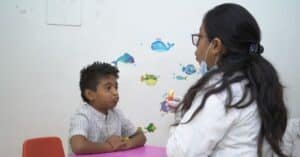
Welcome to RDCC Healthcare, the leading speech therapy centre in Vadodara, where we provide comprehensive evaluation and therapy for communication and swallowing disorders across all age groups—from infants to older adults.

Our team of certified speech-language pathologists in Vadodara specializes in assessing, diagnosing, and treating a wide range of speech and language challenges, including stuttering, articulation disorders, language delays, cognitive-communication difficulties, and swallowing disorders (dysphagia). Using evidence-based speech therapy techniques, we deliver personalized care plans tailored to each individual’s needs.

At RDCC Healthcare, we focus on empowering clients to enhance communication skills, regain confidence, and actively participate in daily life and social interactions. Whether it’s pediatric speech therapy, adult speech rehabilitation, or therapy for neurogenic communication disorders, our services are designed for practical, life-changing outcomes.

Who are you seeking therapy for?

Who are you seeking therapy for?

Child

Adult

What is

Speech & Language Therapy

Speech & Language Therapy is a specialized healthcare service that focuses on the diagnosis, assessment and treatment of communication and swallowing disorders in individuals of all ages—from infants to older adults. It addresses a wide spectrum of challenges including difficulties in speech sound production, language comprehension and expression, cognitive-communication skills (such as memory, attention and problem-solving), and safe swallowing of food or liquids.

Delivered by qualified Speech-Language Pathologists (SLPs), this therapy involves designing personalised plans and using targeted interventions—ranging from articulation and fluency work to language building, cognitive strategies and swallowing rehabilitation.

The aim of Speech & Language Therapy is to enable individuals to communicate more clearly, understand and use language more effectively, and participate confidently in daily life, learning and social interactions.

Children and Families

We are here for your child and for you. There is a range
of clinical services, trainings and other resources
that are available to support you through this journey.

Children and Families

We are here for your child and for you. There is a range of clinical services, trainings and other resources that are available to support you through this journey.

Effective Approaches and Techniques to Manage Speech Disorders

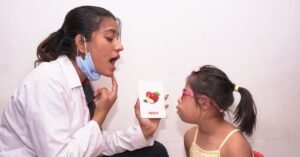
Speech Disorders encompass a variety of difficulties that affect the production, articulation, fluency, or quality of speech sounds. These disorders can result from various factors, including developmental delays, neurological conditions, structural abnormalities, or acquired injuries. Here are some of the main types of speech disorders:

  • Articulation Disorders: Articulation Disorders involve difficulties with the physical production of speech sounds. This may include substituting one sound for another (e.g. saying “wabbit” instead of “rabbit”), omitting sounds, distorting sounds, or adding extra sounds.
  • Phonological Disorders: Phonological disorders involve patterns of errors in speech sound production that affect entire classes of sounds or sound sequences. For example, A Child may have no problem saying “Key” or “Go” but may pronounce “No” for “Note” and “Mou” for “Mouse”.
  • Fluency Disorders: Fluency Disorders, such as Stuttering, involve disruptions in the normal flow of speech. Individuals with fluency disorders may experience repetitions of sounds, syllables, or words; prolongations of sounds (holding a sound for a longer period of time); or involuntary pauses or blocks in speech.
  • Voice Disorders: Voice Disorders involve abnormalities in the quality, pitch, loudness, or resonance of the voice. This can result from issues with the vocal cords, vocal folds, or other structures of the larynx. Voice disorders may manifest as hoarseness, breathiness, strain, or pitch problems.
Voice Therapy Centre In Bharuch
Play Therapy Centre In Bharuch
Group Therapy Centre In Bharuch
AVT Therapy Centre In Bharuch
Child Behavioural Therapy
Parental Counselling Centre In Bharuch
Psychological Testing And Assessment Centre In Bharuch
Oral Placement Therapy Centre In Bharuch
Remedial Education Centre In Bharuch
Swallowing Therapy
ABA Therapy
Benefits Of Group Therapy For Children
Benefits Of Play Therapy For Social Skills
Speech & Language
Voice Therapy Centre In BharuchPlay Therapy Centre In BharuchGroup Therapy Centre In BharuchAVT Therapy Centre In BharuchChild Behavioural TherapyParental Counselling Centre In BharuchPsychological Testing And Assessment Centre In BharuchOral Placement Therapy Centre In BharuchRemedial Education Centre In BharuchSwallowing TherapyABA TherapyBenefits Of Group Therapy For ChildrenBenefits Of Play Therapy For Social SkillsSpeech & Language

Benefits of

Speech & Language Therapy

Speech & Language Therapy can benefit individuals of all ages who experience communication disorders or difficulties, as well as those with swallowing disorders (dysphagia).

Here’s a breakdown of who can benefit from speech and language therapy:

Children

Infants and Toddlers

We help babies and young children to overcome delays or disorders in Speech & Language Development through early intervention.

Preschool and School

We help children with speech sound disorders, language disorders, stuttering, voice disorders, and literacy challenges.

Developmental Disorders

We support individuals with autism spectrum disorder (asd), Down syndrome, cerebral palsy, or other conditions that impact communication.

Adolescents and Teens

Communication Challenges

We support teenagers experiencing speech, language, or fluency disorders that affect their social interactions or self-esteem.

Voice Disorders

We help adolescents with voice disorders, such as vocal nodules or vocal cord dysfunction, which may result from vocal abuse or misuse.

Social Communication

We help adolescents and teens overcome social cues, conversation skills, and pragmatic language difficulties. Work to enhance social communication.

Adults

Stroke Survivors

We help individuals who have had a stroke and experience aphasia, dysarthria, or cognitive-communication impairments through specialised programs.

Brain Injury (TBI) Survivors

We support adults with TBI who may have communication difficulties, cognitive impairments, or swallowing disorders.

Voice Professionals

We provide specialised programs for actors, singers, teachers, or other individuals whose careers depend on a healthy and efficient voice.

Seniors

Age-Related Changes

We help older Adults experiencing age-related changes in speech, language, or swallowing function, such as dysphagia, voice changes, or cognitive-communication difficulties.

Neurodegenerative Conditions

Neurodegenerative Diseases like alzheimer’s disease or dementia require support with communication and swallowing as their condition progresses.

Quality of Life

We focus on improving the overall quality of life for senior citizens. We teach social connection, independence, and safe swallowing through therapeutic approaches.

Individuals with Medical Conditions

Head & Neck Conditions

We support people with medical conditions or injuries affecting the head, neck, or vocal tract, such as head/neck cancer, cleft lip and palate, or laryngectomy.

Medical Treatment Effects

Patients undergoing Treatments that may affect speech, language, or swallowing function, such as radiation therapy or chemotherapy for cancer.

Respiratory Conditions

We help patients with respiratory conditions like COPD, tracheostomy, or other breathing challenges through speech production and vocal capabilities sessions.

What are

Language Disorders?

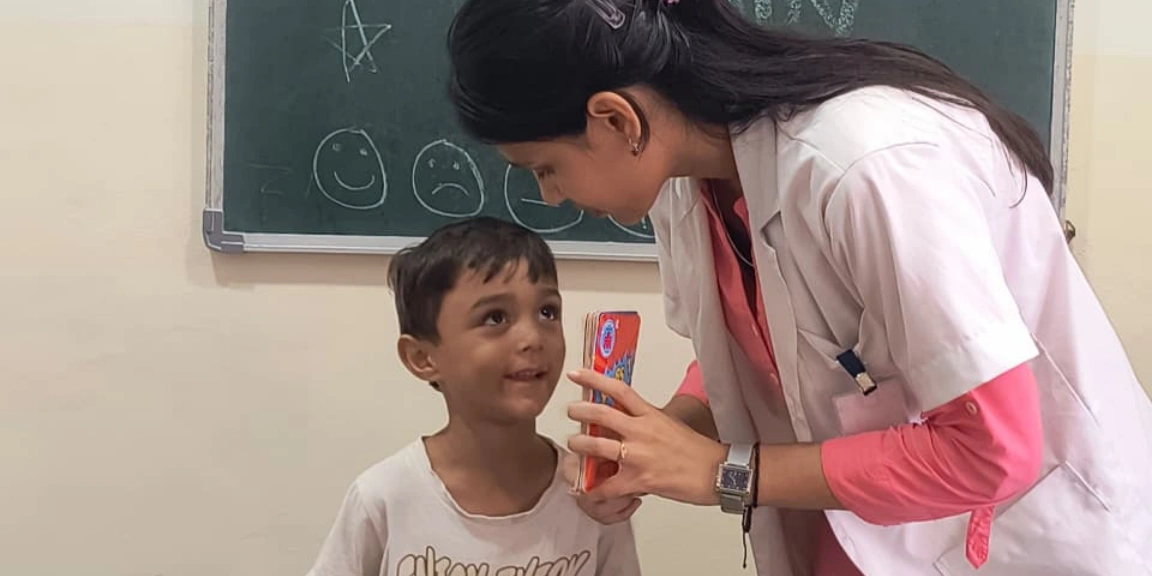
Language Disorders refer to difficulties with understanding and/or using language that significantly impact communication and social interaction. These disorders can affect various aspects of language, including comprehension, expression, and pragmatic (social) language skills. Here are some of the main types of language disorders:
Receptive Language Disorder

Receptive Language Disorder involves difficulties with understanding spoken or written language. Individuals with this disorder may have trouble following directions, comprehending stories or conversations, or grasping complex vocabulary and concepts.

Expressive Language Disorder

Individuals with expressive language disorder have difficulty expressing themselves through speech or writing. They may struggle to form sentences, use correct grammar, or retrieve words. This can affect their ability to convey thoughts, ideas, and needs effectively.

Auditory Processing Disorder (APD)

Auditory Processing Disorder (APD)

SLI is a developmental language disorder characterised by persistent difficulties with language acquisition in the absence of other developmental or neurological conditions. Children with SLI may exhibit delays in language milestones, such as vocabulary development, grammar skills, and sentence structure.

Specific Language Impairment (SLI)

Specific Language Impairment (SLI)

SLI is a developmental language disorder characterised by persistent difficulties with language acquisition in the absence of other developmental or neurological conditions. Children with SLI may exhibit delays in language milestones, such as vocabulary development, grammar skills, and sentence structure.

Therapies involved in

Speech & Language Therapy

Speech & Language Therapy involves a range of therapeutic approaches and techniques tailored to address specific communication challenges and goals. Here are some of the therapies commonly used in speech & language therapy:

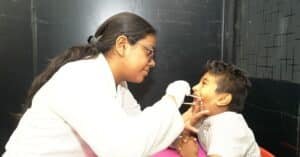
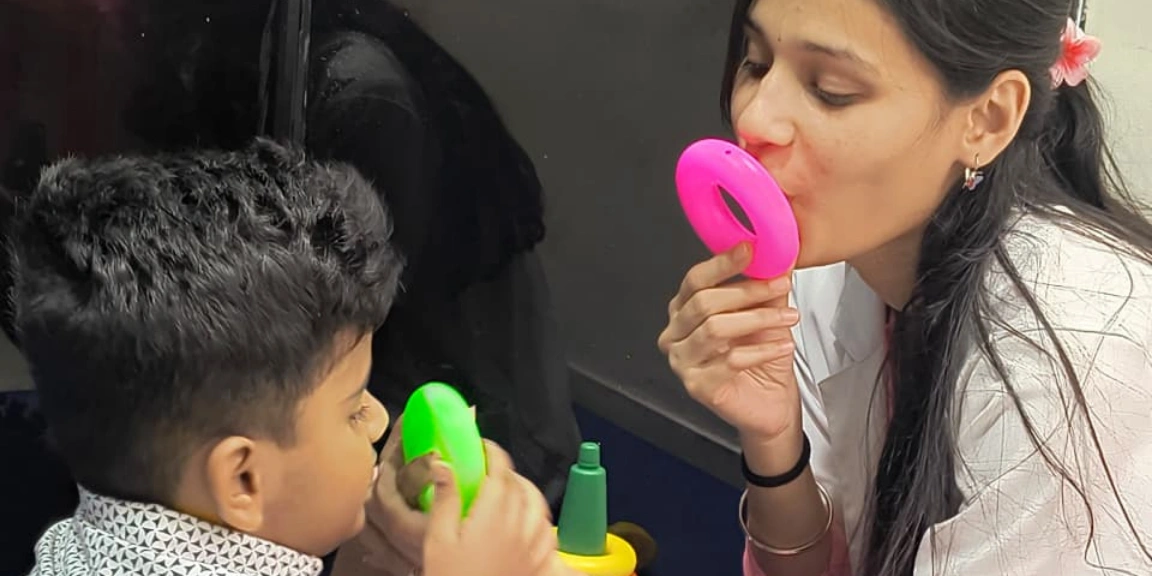
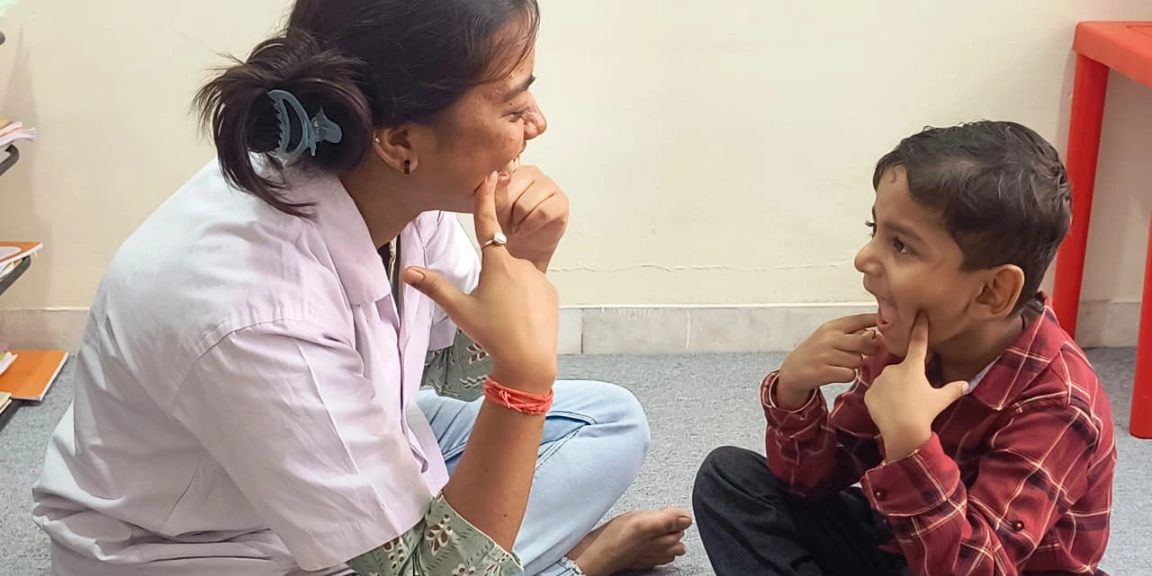
  • Articulation Therapy: Articulation therapy focuses on improving the accuracy and clarity of speech sounds. These techniques may include auditory discrimination exercises, oral motor exercises, and phonetic placement techniques to help patients produce target sounds correctly.
  • Language Therapy: Language therapy targets various aspects of language, including vocabulary, grammar, comprehension, and expression. These activities may involve storytelling, conversation practice, language games, and structured exercises to build language skills.
  • Fluency Therapy: Fluency therapy is designed to help individuals who stutter or experience disruptions in the flow of speech. These techniques may include slow and stretched speech, breathing exercises, and strategies to reduce tension and increase fluency.
  • Voice Therapy: Voice Therapy addresses voice disorders and aims to improve vocal quality, resonance, pitch, and loudness. These Techniques may include vocal exercises, resonance exercises, vocal hygiene education, and strategies to reduce vocal strain and abuse.
  • Cognitive-Communication Therapy: Cognitive-Communication Therapy focuses on improving cognitive skills related to communication, such as attention, memory, problem-solving, and executive function. These activities may include memory games, attention exercises, problem-solving tasks, and compensatory strategies to support cognitive-communication abilities.
  • Swallowing Therapy (Dysphagia Rehabilitation): Swallowing therapy is designed to address difficulties with swallowing function (dysphagia) and improve the safety and efficiency of swallowing. These techniques may include swallowing exercises, dietary modifications, positioning techniques, and sensory-motor stimulation to strengthen swallowing muscles and improve coordination.
  • Augmentative and Alternative Communication (AAC): Augmentative and alternative communication (AAC ) involves using alternative modes of communication, such as sign language, picture communication boards, or electronic communication devices, for individuals with severe communication impairments. This therapy focuses on teaching patients how to effectively use AAC systems to express their needs, desires, and thoughts.
  • Social Skills Training: Social Skills Training targets social language skills and helps individuals improve their ability to navigate social interactions, understand social cues, and participate in conversations and group activities. These activities may include role-playing, social stories, video modelling, and structured social skills groups.

Why Choose RDCC Healthcare For Speech Therapy in Vadodara?

  • Experienced speech-language pathologists in Vadodara
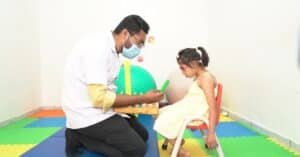
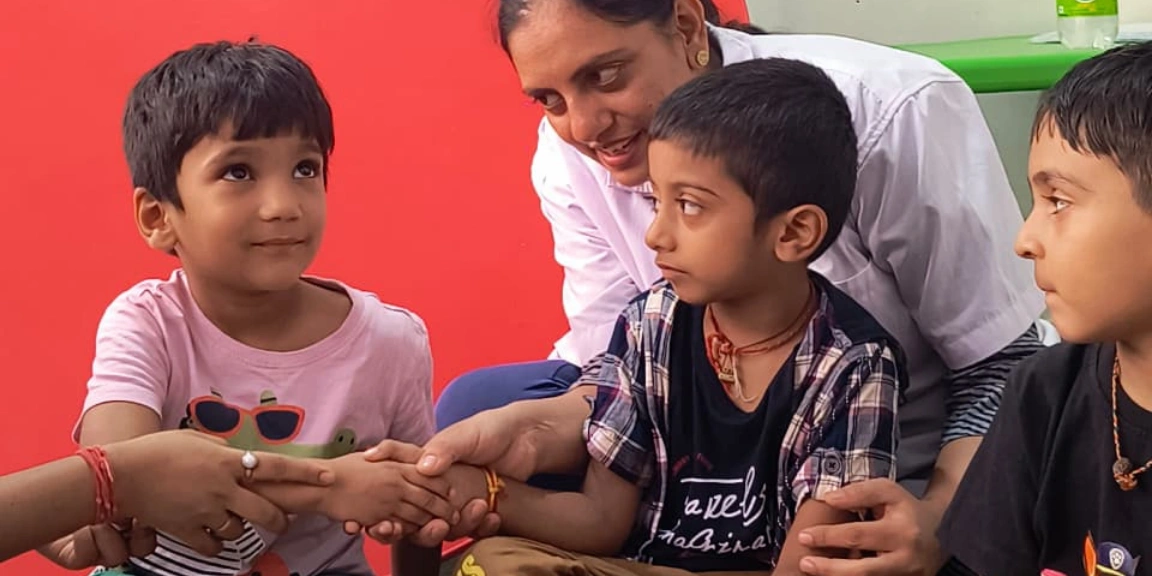
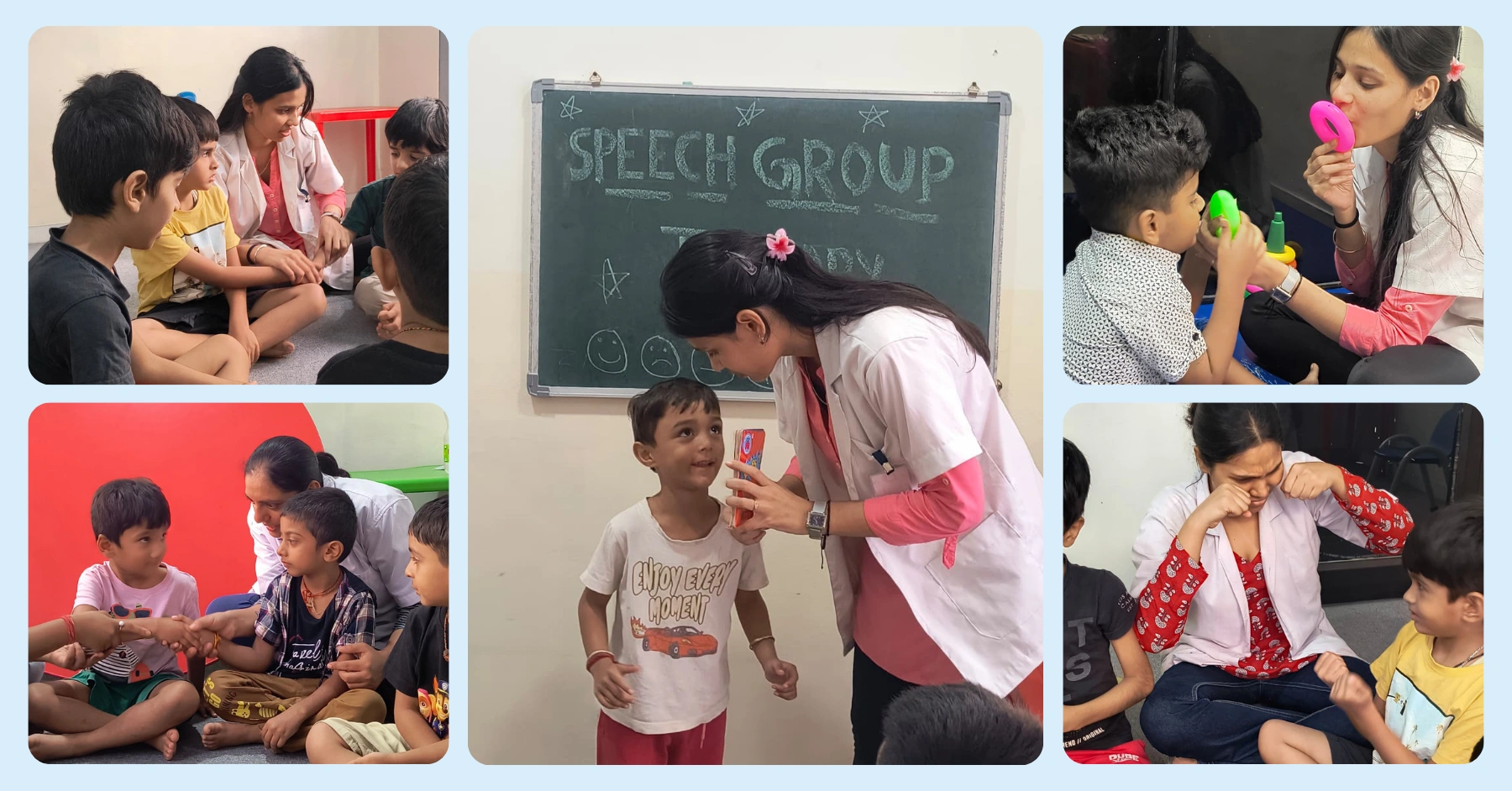
  • Child-friendly environment with play-based therapy
  • Personalised, evidence-based treatment
  • Emphasis on medical as well as pragmatic communication requirements
  • Low-cost pre-bookable sessions for therapy

Frequently Asked Questions

Speech therapy helps children and adults who have problems in speaking, understanding, or communicating clearly.

Children with delayed speech or late talking, people with stammering/stuttering, Children who cannot pronounce words correctly, adults with speech problems after a stroke or accident, Voice-related issues, like an unclear, weak, or harsh voice

First, we assess to check the speech and language level. Then, we prepare a personalised therapy plan as per the individual’s needs.

The cost depends on the type of therapy and the number of sessions. At RDCC Health Care, we provide affordable packages.

You can call us at no. +91 90998 02555, WhatsApp us, or directly visit our clinic during working hours to book your slot.
Frequently Asked Questions

Speech therapy helps children and adults who have problems in speaking, understanding, or communicating clearly.

Children with delayed speech or late talking, people with stammering/stuttering, Children who cannot pronounce words correctly, adults with speech problems after a stroke or accident, Voice-related issues, like an unclear, weak, or harsh voice

First, we assess to check the speech and language level. Then, we prepare a personalised therapy plan as per the individual’s needs.

The cost depends on the type of therapy and the number of sessions. At RDCC Health Care, we provide affordable packages.

You can call us at no. +91 90998 02555, WhatsApp us, or directly visit our clinic during working hours to book your slot.
WhatsApp
Back To Top
WhatsApp chat