

Occupational therapy is one of the most misunderstood therapies in India. Many
parents hear the words ‘occupational therapy activities’ and picture something clinical, expensive, and only
available in hospitals.
The truth is different. Many of the most effective occupational
therapy at-home activities use everyday household items — clay,
buttons, cups of water, and a piece of paper. The activity is not the point. The skill being built behind it
is.
According to the Rehabilitation Council of India (RCI), 2022, over
26 million children in India live with some form of
developmental delay that benefits from occupational therapy. A significant proportion of these children receive
no structured intervention at all — often because families do not know where to start.
This guide gives you a starting point. Whether you are a parent of a child with
autism, a caregiver supporting an adult recovering from a stroke, or someone managing sensory processing
differences, these 15 structured occupational therapy activities give you something practical
to do today.
What Is Occupational Therapy and Why Do These Activities Matter?
Occupational Therapy (OT): A healthcare discipline that helps people
of all ages perform the everyday tasks or ‘occupations’ that are meaningful to them. For children, occupations
include playing, writing, and self-care. For adults, they include cooking, working, and managing
emotions.
Sensory Processing: The brain’s ability to receive, interpret, and
respond to sensory input from the environment. Children and adults with sensory processing differences may feel
overwhelmed by touch, sound, or movement — or seek out more of it than usual.
Fine Motor Skills: Small, precise movements using the hands and
fingers — like holding a pencil, buttoning a shirt, or cutting with scissors. These are core targets in
paediatric occupational therapy.
Home activities serve a specific role: they reinforce what is practised in therapy
sessions, build consistency, and give families a way to participate actively in the person’s progress.
Important note: The activities in this guide are for supplemental home practice. They should be used
alongside — not as a replacement for — professional occupational therapy assessment and
treatment.
What Are the Best Occupational Therapy Activities for Kids at Home?
Children benefit most from OT activities that feel like play. Structured play with a specific
therapeutic goal is the
foundation of paediatric occupational therapy.
According to the Indian Academy of Paediatrics (2023), early
intervention using structured activities before age 6 improves developmental outcomes by up to
60% in children with sensory processing and motor delays. The earlier
the start, the stronger the foundation.
15 Proven Occupational Therapy Activities for Children and Adults
Activity 1: Clay Squeezing and Shaping
Children aged 3–10 with fine motor delays or sensory seeking behaviour
Materials: Air-dry clay, play-dough, or homemade salt dough (flour + salt +
water)
How to do it:
Give the child a ball of clay and ask them to squeeze, roll, flatten, and pinch it
into different shapes, animals, food, and letters. Progress from free-form play to specific requests like ‘make
a snake’ or ‘press these dots’.
Therapeutic benefit: Builds hand strength, pincer grip, and
bilateral hand coordination. Provides deep proprioceptive input that calms sensory seekers.
Activity 2: Threading Beads or Pasta
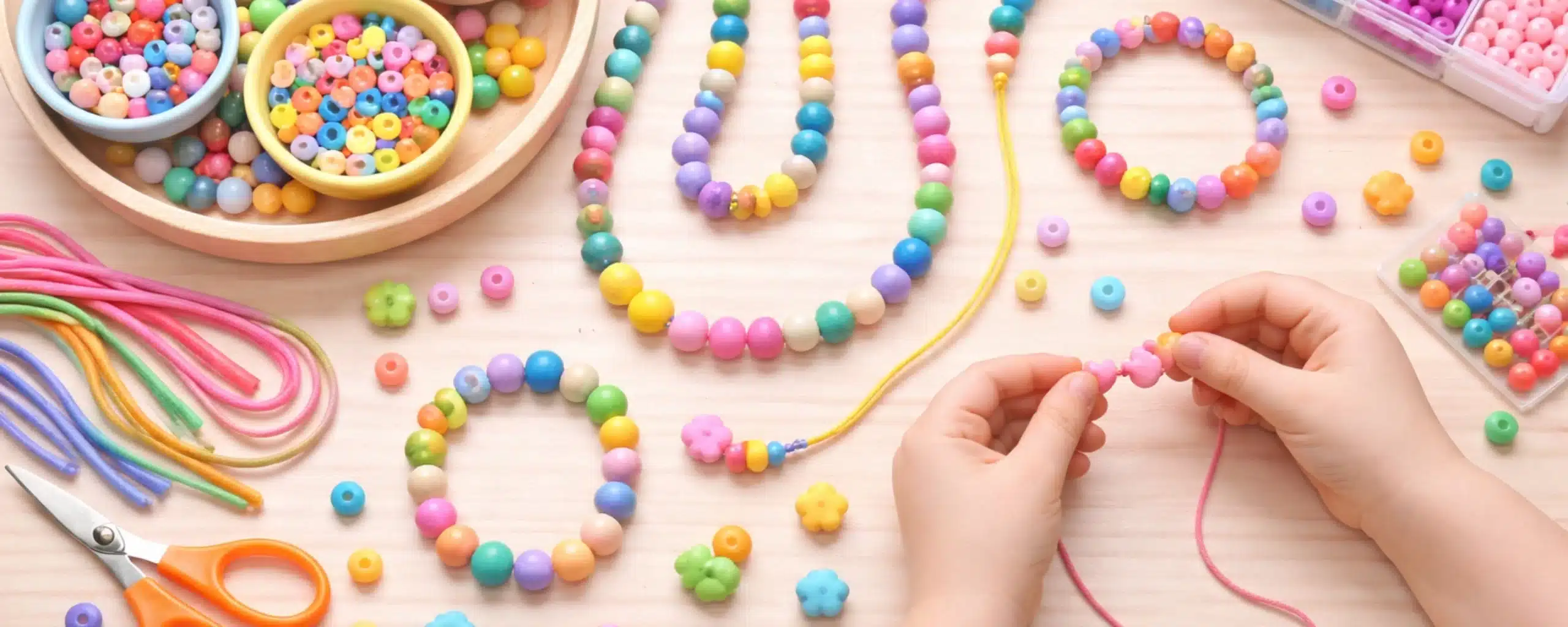
Children aged 4–8 working on fine motor control and concentration
Materials: Large wooden beads and lace (or dry penne pasta and string), a bowl to
hold beads
How to do it:
Show the child how to thread one bead at a time onto the lace. Start with large beads
and gradually reduce bead size as control improves. Add a pattern challenge (red-blue-red) for cognitive
engagement.
Therapeutic benefit: Develops pincer grip, eye-hand coordination,
bilateral integration, and sustained attention.
Activity 3: Water Pouring and Transfer

Children aged 3–7, also suitable for children with autism who benefit from
sensory water play
Materials: Two plastic cups or jugs, a tray, water (add food colouring for extra
engagement)
How to do it:
Place both cups on a tray to catch spills. Ask the child to pour water slowly from
one cup to the other without spilling. Progress to pouring into smaller containers or measuring specific
amounts.
Therapeutic benefit: Builds bilateral coordination, visual-motor
control, and self-regulation. Water play provides calming sensory input for children with autism.
Activity 4: Cutting Along Lines with Safety Scissors
Children aged 4–8 developing scissor skills and hand strength
Materials: Child-safe scissors, printed or hand-drawn sheets with lines of increasing
complexity.
How to do it:
Begin with straight lines, then move to gentle curves, zigzags, and finally simple
shapes. Hold the paper steady for younger children. Teach the ‘thumb up’ scissor grip from the first
session.
Therapeutic benefit: Strengthens hand muscles used for writing,
builds bilateral coordination (one hand cuts, one hand guides), and develops visual-motor integration.
Activity 5: Indoor Obstacle Course
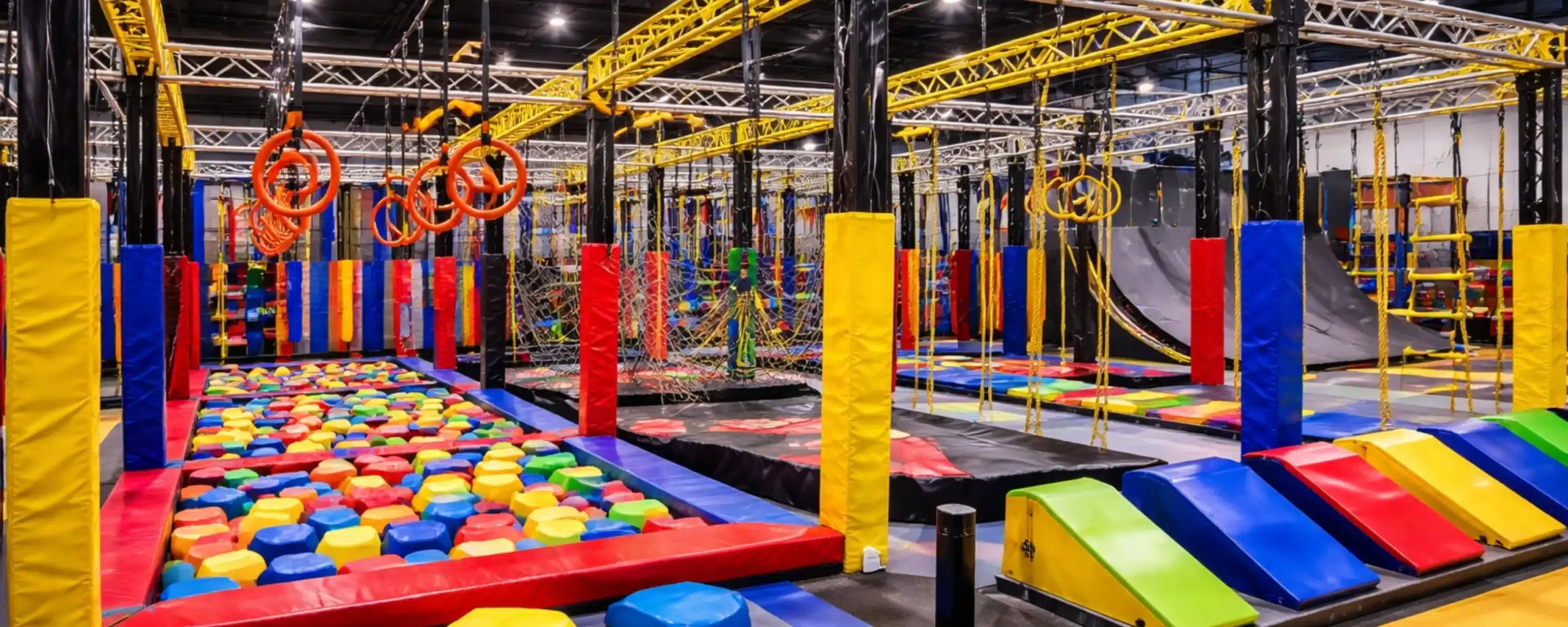
Children aged 3–10, particularly children with sensory seeking or gross-to-fine
motor needs
Materials: Sofa cushions, pillows, taped lines on the floor, a low step stool, a
tunnel made from a blanket over two chairs
How to do it:
Set up a simple indoor course: crawl through the tunnel, balance on one leg for 3
seconds, jump over a pillow, walk a taped line heel-to-toe. Change the sequence weekly.
Therapeutic benefit: Builds body awareness (proprioception),
balance, motor planning, and coordination. Physical activity also improves sensory regulation.
Which Occupational Therapy Activities Help Most With Autism?
Children and adults with autism spectrum disorder (ASD) often experience sensory
processing differences, challenges with transitions, and difficulties with social communication.
Occupational therapy activities for autism focus on sensory
regulation, daily living skills, and building flexible routines.
According to the National
Institute of Mental Health and Neurosciences (NIMHANS), 2022, 1 in 68
children in India is estimated to be on the autism spectrum. Structured
sensory and skill-based OT activities at home are among the most evidence-supported adjunct interventions
available.
Activity 6: Sensory Bin Exploration
Children and adults with autism who are sensory avoiders or sensory seekers
Materials: A deep plastic tub filled with dry rice, sand, lentils, or kinetic sand.
Add small toys or objects to find.
How to do it:
Encourage the person to dig, sift, and search for hidden objects. For sensory
avoiders, begin with light touch and build duration gradually — never force hand submersion. For seekers,
provide longer, supervised sessions.
Therapeutic benefit: Provides controlled tactile sensory input.
Builds tolerance for different textures, supports self-regulation, and engages proprioceptive and tactile
processing pathways.
Activity 7: Visual Schedule Building

Children with autism who struggle with transitions and routine changes
Materials: Printed or hand-drawn picture cards showing morning routine steps, a
velcro strip board or a simple paper chart
How to do it:
Create a visual schedule for morning or evening routines: wake up, brush teeth, get
dressed, eat breakfast. Let the child place each picture card as each task is completed. Build this routine
daily until it is internalised.
Therapeutic benefit: Reduces transition-related anxiety and
meltdowns by making the day predictable. Builds executive function and daily living skills
simultaneously.
Activity 8: Heavy Work Activities
Children and adults with autism who are sensory seekers or show hyperactivity
Materials: Laundry basket (full), backpack loaded with books, firm cushion or therapy
ball
How to do it:
Ask the child or adult to carry the laundry basket from room to room, push a loaded
trolley, or do wall push-ups. Weighted activities like wearing a loaded backpack for 20 minutes also count. Do
these before school or meals.
Therapeutic benefit: ‘Heavy work’ provides deep proprioceptive input
that calms the nervous system. It is one of the most effective pre-task regulation tools in OT practice.
What Are Effective Occupational Therapy At-Home Activities for Adults?
Occupational therapy for adults focuses on restoring or maintaining the ability to
perform daily living tasks after stroke, injury, mental health challenges, or age-related decline.
Occupational therapy at home activities for adults
prioritise independence, cognitive function, and physical coordination.
According to the
World Health Organisation (WHO), 2023,
approximately 1.3 billion people globally live with some
form of disability that affects daily functioning. In India, stroke alone affects over 1.8 million people
annually — many of whom benefit from OT-based daily living rehabilitation.
Discover the best
therapeutic toys to support occupational therapy goals for children — from fine
motor skill builders to sensory regulation tools. Boost engagement
and developmental progress with expert‑recommended toy ideas. Learn more at:
Activity 9: Coin Sorting
Adults recovering from stroke, hand injury, or managing fine motor decline
Materials: A mix of 1-rupee, 2-rupee, and 5-rupee coins in a bowl; three small
cups
How to do it:
Ask the adult to sort coins by denomination using the thumb and index finger only
— no scooping with the palm. Time for each session. Progress to sorting with the non-dominant hand as
ability improves.
Therapeutic benefit: Targets pincer grip, tactile discrimination,
bilateral coordination, and sustained attention. Familiar objects reduce anxiety and increase motivation in
stroke rehabilitation.
Activity 10: Buttoning and Clothing Fasteners Practice

Adults with fine motor challenges, stroke survivors, older adults managing dexterity
loss
Materials: A piece of cloth with 4–6 buttons sewn on it, or old shirts,
zippers, and velcro tabs
How to do it:
Practise buttoning and unbuttoning on a standalone cloth piece before doing it on
actual clothing. Progress from large buttons to smaller ones. Add zip and velcro practice for variety.
Therapeutic benefit: Directly targets the fine motor and bilateral
coordination needed for independent dressing — one of the most important daily living goals in adult
OT.
Activity 11: Pegboard Tasks
Adults with neurological conditions, stroke, Parkinson’s, or hand tremor
Materials: A pegboard set (available online under Rs. 200) or a DIY version with a
foam sheet and golf tees
How to do it:
Ask the adult to place and remove pegs using the affected hand. Start with large pegs
and a wide board. Progress to smaller pegs, patterns, and timed completion.
Therapeutic benefit: Targets pincer grip, visual-motor integration,
hand stability, and sustained concentration. Pegboard tasks are used in formal OT assessment and are equally
effective at home.
Activity 12: Kitchen Task Grading
Adults in stroke recovery or with acquired disabilities working toward independent
meal preparation
Materials: No special materials — use your existing kitchen. Start with simple
tasks: pouring water, spreading butter on bread, peeling a banana.
How to do it:
Begin with single-step food prep tasks. Grade up weekly: cut soft fruit, stir a
mixture, open different lids and containers. Always supervise near heat and sharp objects in early
rehabilitation.
Therapeutic benefit: Builds daily living independence the
primary goal of adult occupational therapy. Kitchen tasks combine fine motor, cognitive planning, sensory
processing, and bilateral coordination simultaneously.
How Do OT Activities Help With Handwriting and Cognitive Skills in Children?
Handwriting difficulties are among the most common reasons children are referred for
occupational therapy in India. Poor handwriting is rarely a laziness or attention problem — it is most
often a fine motor, visual-motor, or sensory processing issue that responds well to structured OT
activities.
Activity 13: Vertical Surface Writing

Children aged 5–10 with poor pencil grip, weak hand strength, or visual-motor
challenges
Materials: Paper taped to a wall at shoulder height, thick crayons or markers
How to do it:
Have the child write, draw shapes, or trace patterns on paper fixed to a vertical
wall surface. This automatically positions the wrist in extension — the optimal position for handwriting
development.
Therapeutic benefit: Strengthens wrist extensors and shoulder
stability muscles. Improves pencil grip quality and letter formation without needing to teach grip
directly.
Activity 14: Memory Card Matching With a Motor Component
Children aged 4–12 and adults with mild cognitive challenges
Materials: A set of picture-matching cards (can be homemade with printed images),
placed face down on a table
How to do it:
Play standard memory matching — but add a motor rule: the player must use
tongs, chopsticks, or two fingers only (no palm) to flip and move each card. This combines cognitive and fine
motor demands simultaneously.
Therapeutic benefit: Builds working memory, visual attention, and
processing speed while targeting fine motor precision — a dual-task approach used in advanced OT
practice.
Activity 15: Self-Care Routine Practice With Backwards Chaining
Children with autism, developmental delays, or adults rebuilding daily living
independence
Materials: No special materials — use the person’s actual morning or evening
routine
How to do it:
Backward chaining means teaching the last step of a routine first, then adding steps
backward. For tooth brushing: first, just rinse and spit (step 5), then brush and rinse (steps 4–5), then
apply toothpaste, brush, and rinse (steps 3–5). Build the full routine across 2–3 weeks.
Therapeutic benefit: Creates a sense of task completion from the
first day — powerfully motivating for individuals who struggle with multi-step sequences. Builds daily
living independence and habit formation simultaneously.
Explore easy
occupational therapy activities for kids and adults at home, including autism-friendly exercises.
Build fine motor, sensory, and daily
living skills with practical guidance from RDCC Healthcare. Start supporting development today.
Quick Reference: All 15 Activities at a Glance
Use this table to choose the right activity based on who you are supporting and what
skill you are targeting.
|
# |
Activity |
Age Group |
Skill Target |
Autism-Friendly |
Home Ease |
|
1 |
Clay Squeezing |
3–10 yrs |
Fine motor, sensory |
Yes |
Very Easy |
|
2 |
Bead Threading |
4–8 yrs |
Fine motor, attention |
Moderate |
Easy |
|
3 |
Water Pouring |
3–7 yrs |
Bilateral coordination |
Yes |
Very Easy |
|
4 |
Scissor Skills |
4–8 yrs |
Fine motor, visual-motor |
Moderate |
Easy |
|
5 |
Indoor Obstacle Course |
3–10 yrs |
Gross motor, body awareness |
Yes |
Moderate |
|
6 |
Sensory Bin |
3+ / Adults |
Sensory regulation |
Yes — core autism tool |
Easy |
|
7 |
Visual Schedule |
4–12 yrs |
Daily living, transitions |
Yes — essential |
Easy |
|
8 |
Heavy Work |
3+ / Adults |
Sensory regulation, focus |
Yes — highly recommended |
Very Easy |
|
9 |
Coin Sorting |
Adults |
Fine motor, cognition |
Moderate |
Very Easy |
|
10 |
Buttoning Practice |
Adults |
Daily living, fine motor |
Moderate |
Easy |
|
11 |
Pegboard Tasks |
Adults |
Fine motor, hand stability |
Moderate |
Easy |
|
12 |
Kitchen Task Grading |
Adults |
Daily living, cognition |
With supervision |
Moderate |
|
13 |
Vertical Writing |
5–10 yrs |
Handwriting, wrist strength |
Yes |
Easy |
|
14 |
Memory Matching + Motor |
4–12 / Adults |
Cognition + fine motor |
Yes |
Easy |
|
15 |
Backwards Chaining Routine |
Any age |
Daily living independence |
Yes — especially effective |
Moderate |
When Should You Consult a Professional Occupational Therapist?
Home activities are powerful. But they have limits. Rdcc Healthcare recommends
seeking a formal OT assessment if you observe any of the following:
- A child cannot hold a pencil or crayon by age 4.5
— despite regular practice - Sensory reactions to clothing, food textures, noise,
or touch are severe enough to disrupt daily functioning - A child has not developed self-care independence
— dressing, eating, toileting — at the expected ages - An adult is struggling with daily tasks after a
neurological event, such as a stroke or brain injury - Home activities are causing distress rather than
engagement — forcing activities without proper assessment can reinforce avoidance - Progress has plateaued for more than four weeks
despite consistent home practice
RDCC Healthcare in India provides comprehensive occupational therapy
assessments for children and adults across
India. A formal assessment identifies specific skill gaps, the correct activity level, and a structured
programme — so home practice is targeted rather than generic.
| Note: If your child has recently received an autism diagnosis or is awaiting assessment, begin home
activities under the guidance of a qualified OT. Some autism-related sensory activities require professional
input to implement safely.
Conclusion
Occupational therapy is not only something that happens in a clinic. It happens at
the kitchen table with a bowl of coins. It happens on the living room floor with a tub of dry rice. It happens
during the morning routine with a picture card on the wall.
These 15 occupational therapy activities give you a practical place to start — whether
you are supporting a child with
autism, a child with developmental delay, an adult in stroke recovery, or someone managing sensory processing
differences. Every activity here is used by qualified occupational therapists. Every one of them can be done at
home today.
Frequently Asked Questions
Q1: What are occupational therapy activities for children at home?
A: Occupational therapy activities for children at home include fine motor tasks (clay, bead threading, scissors), sensory activities (sensory bins, heavy work), and daily living practice (visual schedules, self-care routines). These activities build the skills children need for school, play, and independence. They are most effective when done consistently — ideally 15–20 minutes daily — alongside sessions with a qualified OT.
Q2: Why are occupational therapy activities recommended for autism?
A: Children with autism often experience sensory processing differences, difficulty with transitions, and challenges in daily living skills. Occupational therapy activities for autism — like sensory bins, heavy work, and visual schedules — address these directly. They provide regulated sensory input, reduce anxiety, and build functional independence. Research consistently shows that structured OT activities improve the quality of daily life for individuals on the autism spectrum.
Q3: How do I do occupational therapy activities at home without professional equipment?
A: Most effective OT activities require only household items: dry lentils for a sensory bin, coins for sorting practice, a wall for vertical writing, and buttons for dressing skills. We recommend choosing 2–3 activities from this guide that match your child’s or adult’s current skill level. Consistency matters more than equipment. Start with 15 minutes daily and track progress weekly.
Q4: How often should I do OT activities at home with my child?
A: RDCC Healthcare recommends daily home practice — even 10–20 minutes is sufficient when done consistently. Short, frequent sessions outperform occasional long ones for skill development. Choose a consistent time of day — post-school or post-nap — and keep activities varied enough to maintain engagement. Always pair home activities with professional OT sessions for structured progress monitoring.
Q5: Occupational therapy for children vs adults — are the activities the same?
A: The therapeutic goals overlap — fine motor skills, daily living independence, sensory regulation — but the activities differ significantly. Children’s OT uses play-based approaches: clay, obstacle courses, and water play. Adult OT focuses on real-world functional tasks: buttoning, kitchen activities, and coin sorting. Rdcc Healthcare designs separate programmes for paediatric and adult clients based on developmental stage, diagnosis, and functional goals.
Q6: Occupational therapy vs physiotherapy — what is the difference for children?
A: Physiotherapy focuses on movement, strength, and physical rehabilitation — walking, gross motor development, and post-injury recovery. Occupational therapy focuses on the skills needed for daily activities — writing, dressing, playing, and managing sensory responses. For children with autism or developmental delay, OT addresses the functional and sensory aspects that physio does not. Many children benefit from both simultaneously.
Q7: What activities can I do with my child who has autism at home?
A: Great starting points include: a sensory bin with dry rice or sand for tactile exploration, heavy work like carrying a laundry basket or wall push-ups for sensory regulation, a visual picture schedule for morning routines to reduce transition anxiety, and water pouring play for calming sensory input. Start with whichever your child naturally gravitates toward. Rdcc Healthcare provides personalised guidance for autism home programmes.
Q8: What are simple occupational therapy exercises I can do at home today?
A: Five activities you can start immediately with household items: clay or dough squeezing for hand strength, sorting coins or beads into cups for fine motor control, water pouring between cups for bilateral coordination, wall push-ups or carrying a weighted bag for sensory regulation, and practising buttoning and unbuttoning on a spare shirt. None of these require special equipment or prior therapy knowledge.
A: Occupational therapy activities for children at home include fine motor tasks (clay, bead threading, scissors), sensory activities (sensory bins, heavy work), and daily living practice (visual schedules, self-care routines). These activities build the skills children need for school, play, and independence. They are most effective when done consistently — ideally 15–20 minutes daily — alongside sessions with a qualified OT.
A: Children with autism often experience sensory processing differences, difficulty with transitions, and challenges in daily living skills. Occupational therapy activities for autism — like sensory bins, heavy work, and visual schedules — address these directly. They provide regulated sensory input, reduce anxiety, and build functional independence. Research consistently shows that structured OT activities improve the quality of daily life for individuals on the autism spectrum.
A: Most effective OT activities require only household items: dry lentils for a sensory bin, coins for sorting practice, a wall for vertical writing, and buttons for dressing skills. We recommend choosing 2–3 activities from this guide that match your child’s or adult’s current skill level. Consistency matters more than equipment. Start with 15 minutes daily and track progress weekly.
A: RDCC Healthcare recommends daily home practice — even 10–20 minutes is sufficient when done consistently. Short, frequent sessions outperform occasional long ones for skill development. Choose a consistent time of day — post-school or post-nap — and keep activities varied enough to maintain engagement. Always pair home activities with professional OT sessions for structured progress monitoring.
A: The therapeutic goals overlap — fine motor skills, daily living independence, sensory regulation — but the activities differ significantly. Children’s OT uses play-based approaches: clay, obstacle courses, and water play. Adult OT focuses on real-world functional tasks: buttoning, kitchen activities, and coin sorting. Rdcc Healthcare designs separate programmes for paediatric and adult clients based on developmental stage, diagnosis, and functional goals.
A: Physiotherapy focuses on movement, strength, and physical rehabilitation — walking, gross motor development, and post-injury recovery. Occupational therapy focuses on the skills needed for daily activities — writing, dressing, playing, and managing sensory responses. For children with autism or developmental delay, OT addresses the functional and sensory aspects that physio does not. Many children benefit from both simultaneously.
A: Great starting points include: a sensory bin with dry rice or sand for tactile exploration, heavy work like carrying a laundry basket or wall push-ups for sensory regulation, a visual picture schedule for morning routines to reduce transition anxiety, and water pouring play for calming sensory input. Start with whichever your child naturally gravitates toward. Rdcc Healthcare provides personalised guidance for autism home programmes.
A: Five activities you can start immediately with household items: clay or dough squeezing for hand strength, sorting coins or beads into cups for fine motor control, water pouring between cups for bilateral coordination, wall push-ups or carrying a weighted bag for sensory regulation, and practising buttoning and unbuttoning on a spare shirt. None of these require special equipment or prior therapy knowledge.

Related Posts

7 Types of Occupational Therapy and How They Help Different Patients
Most people hear ‘occupational therapy’ and picture someone teaching an elderly person to button their…
Best Toys to Support Occupational Therapy Goals for Children
Occupational therapy plays a vital position in helping children’s usual improvement by way of enhancing…


