
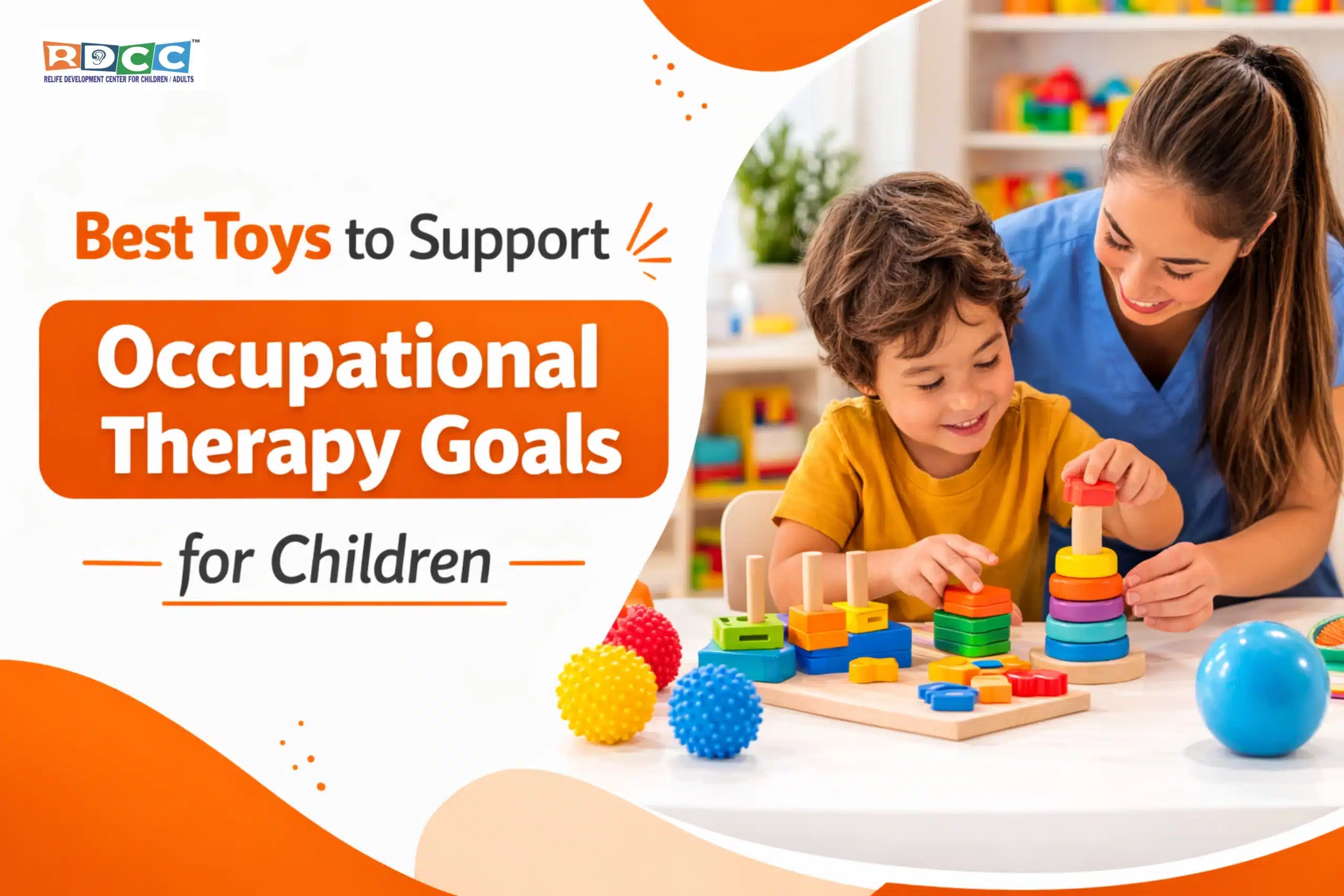
Occupational therapy plays a vital position in helping children’s usual improvement by way of enhancing sensory processing, cognitive skills, fine motor skills, and gross motor skills. These abilities are critical for improving coordination, balance, hassle-fixing abilities, and growing healthy reflexes that help kids carry out normal activities with self-belief.
Play-based activities, consisting of toys and fun video games, are an extraordinarily effective tool for attaining occupational therapy goals. They create a fascinating and enjoyable environment in which children can study and expand important skills effectively.
In this article, we discover a number of the most effective therapy toys that support baby development and assist youngsters build vital lifestyles capabilities thru play.
How Toys Support Occupational Therapy Goals
The use of toys for occupational therapy in kids is a fun and engaging way to help children develop much-needed skills in life.
1.Visual and fine motor skills: here, the focus is on the development of small muscle control, which is needed for writing or holding something in hand.
2.Sensory Processing & Regulation: Toys that provide tactile, visual, or proprioceptive input help children calm or organise their nervous systems.
3.Hand-Eye & Visual-Motor Coordination: Linking what children see to how they move their hands improves accuracy and coordination.
4.Gross Motor & Balance: Movement-based play enhances posture, balance, and body awareness.
5.Cognitive & Social Skills: Problem-solving, turn-taking, and task sequencing are all part of play.
Also read: The Difference Between Speech Therapy and Occupational Therapy
Best Toys to Support Occupational Therapy Goals
Visuals of Fine Motor Skill Play
Fine motor skill play helps children strengthen the small muscles in their hands and fingers. Activities such as sorting small objects, using tweezers, playing with clay, stacking blocks, or threading beads improve hand strength, coordination, and precision. These skills are essential for everyday tasks like writing, drawing, and handling small objects effectively.
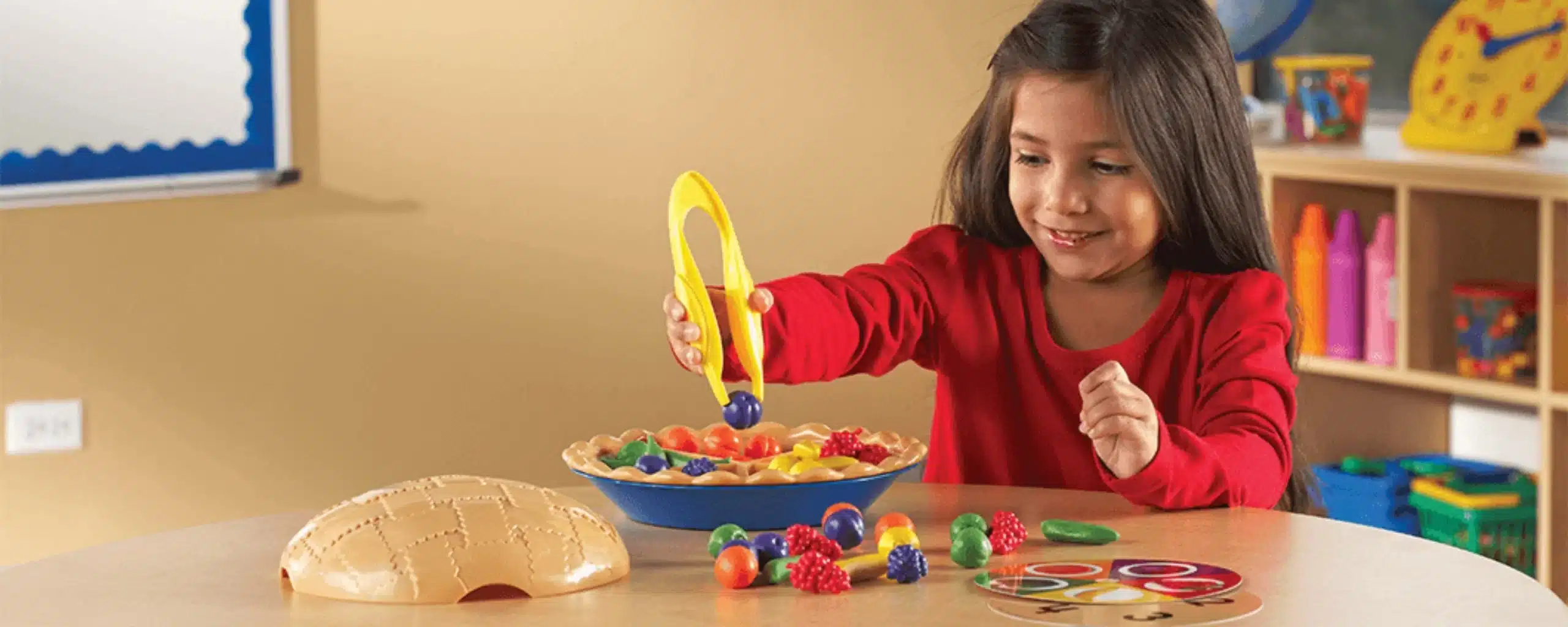
Sorting and manipulating small objects, kids use tweezers, scoops, or their hands to pick up items, helping finger strength and coordination.
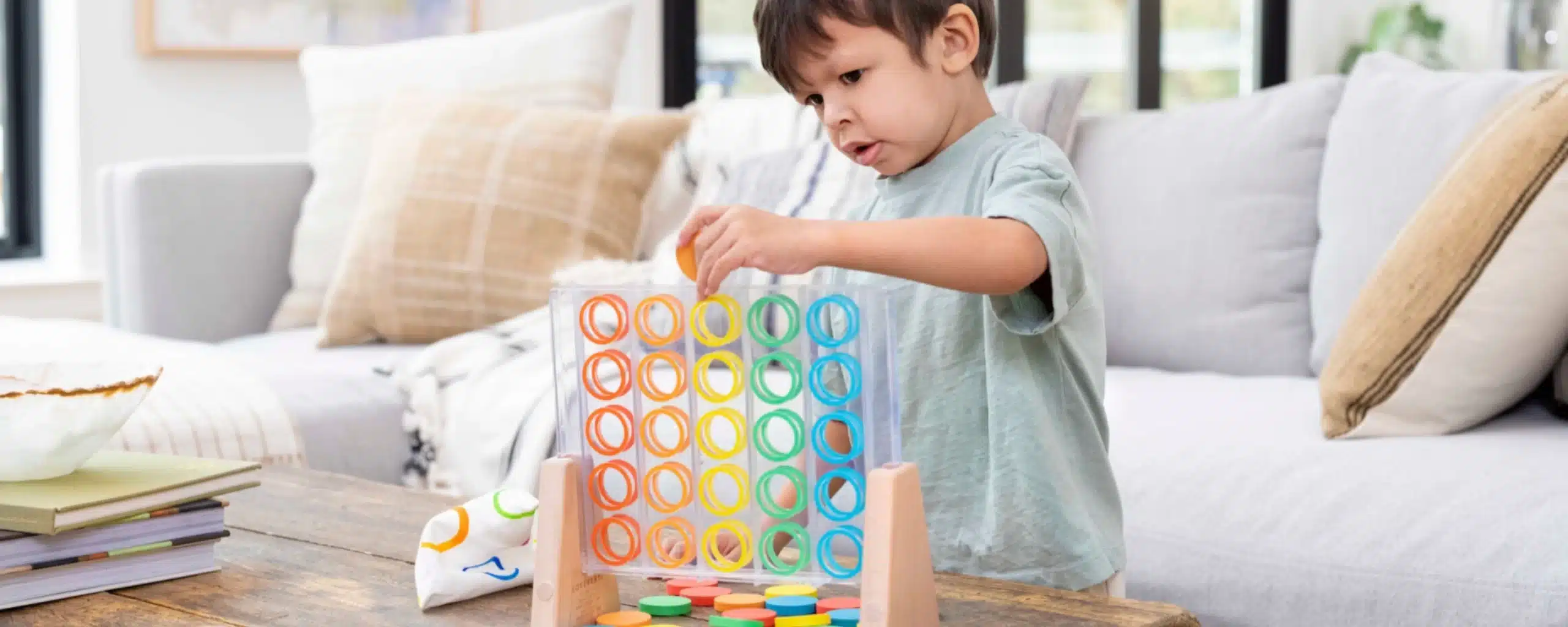
Play-dough and clay play, squeezing, rolling, pinching, and shaping improve hand muscles and control.
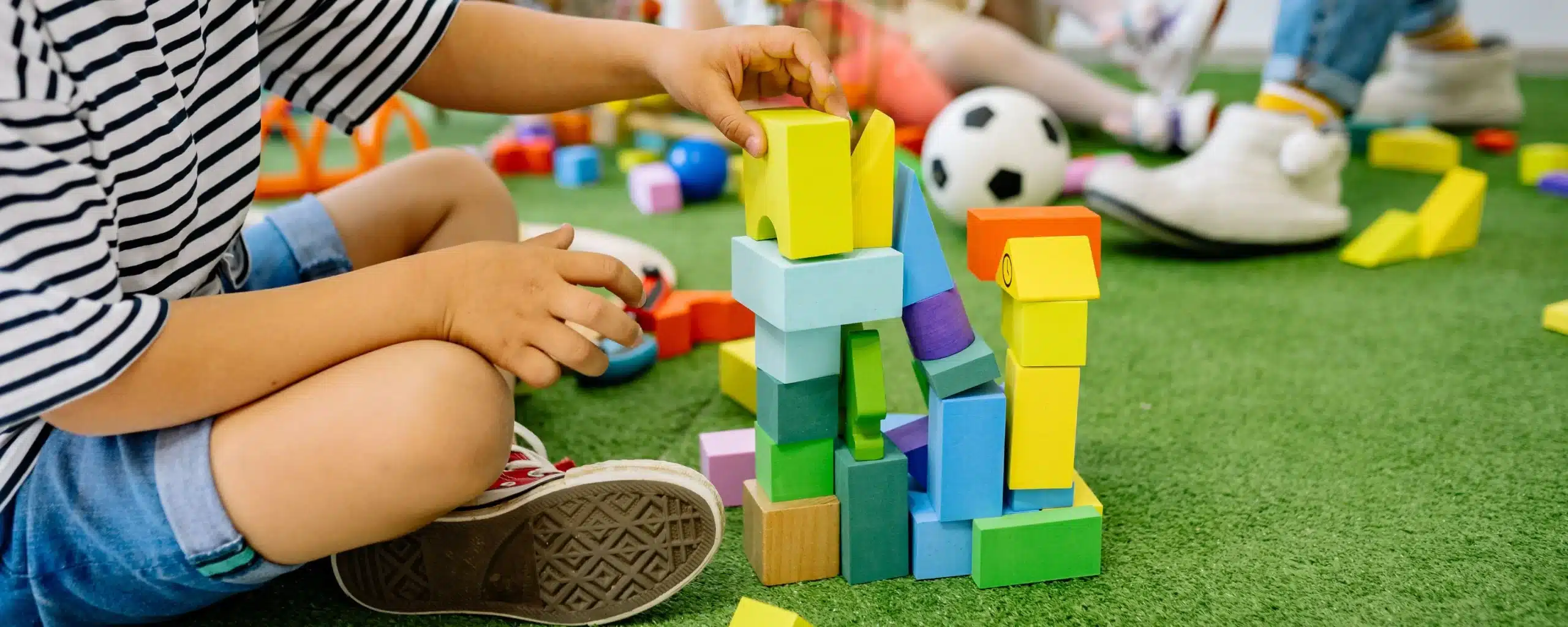
Fine motor skill games, such as set building, stacking, and manipulating game pieces, strengthen precision and hand-eye coordination.

Beads and small item sorting activities are great for developing pincer grasp and visual-motor integration.
How These Toys Help
- Activities for older children, tasks like building with small blocks or craft projects, continue to enhance complex motor planning.
- These toys mimic OT activities such as pegboards, lacing, and tactile handling, crucial for small muscle development.
These kinds of fine motor and skill games are used at home, in play school, and in therapy sessions to support and develop the child’s senses. Especially with children who have weak motor reflexes.
Sensory & Regulation Toys
Sensory and regulation toys help children process sensory input and stay calm, focused, and engaged during activities. These toys provide different textures, movements, and visual stimulation that support sensory development and emotional regulation.

Sensory play bin: Children exploring textures like sand or small pieces in a sensory bin can support tactile regulation and attention.
A squishy sensory squeeze toy is a textured tactile item that children can squeeze to release stress and improve regulation.
Colour sorting sensory game engages hands and eyes together, useful for focus and sensory sorting play.
Textured fidget shapes — different textures and shapes offer varied tactile input for calming and regulation.
How These Toys Help
- Textured and squishy toys provide different touch sensations, which are important for developing good sensory inputs.
- Bright colours of these tops help in providing a sense of calmness in kids and help in lifting their mood.
- Fidget and pop-up games help children to stay more focused and calm.
These sensory and regulatory toys and games are commonly used during occasional therapy sessions. They are simple and fun games, which can be used at home and in school as well to develop sensory processing skills and emotional stability in children who are sensitive and need special care and attention.
Hand-Eye & Visual-Motor Coordination:
Hand-eye and visual-motor coordination activities help children connect what they see with how their hands move. These activities improve accuracy, timing, and overall coordination.
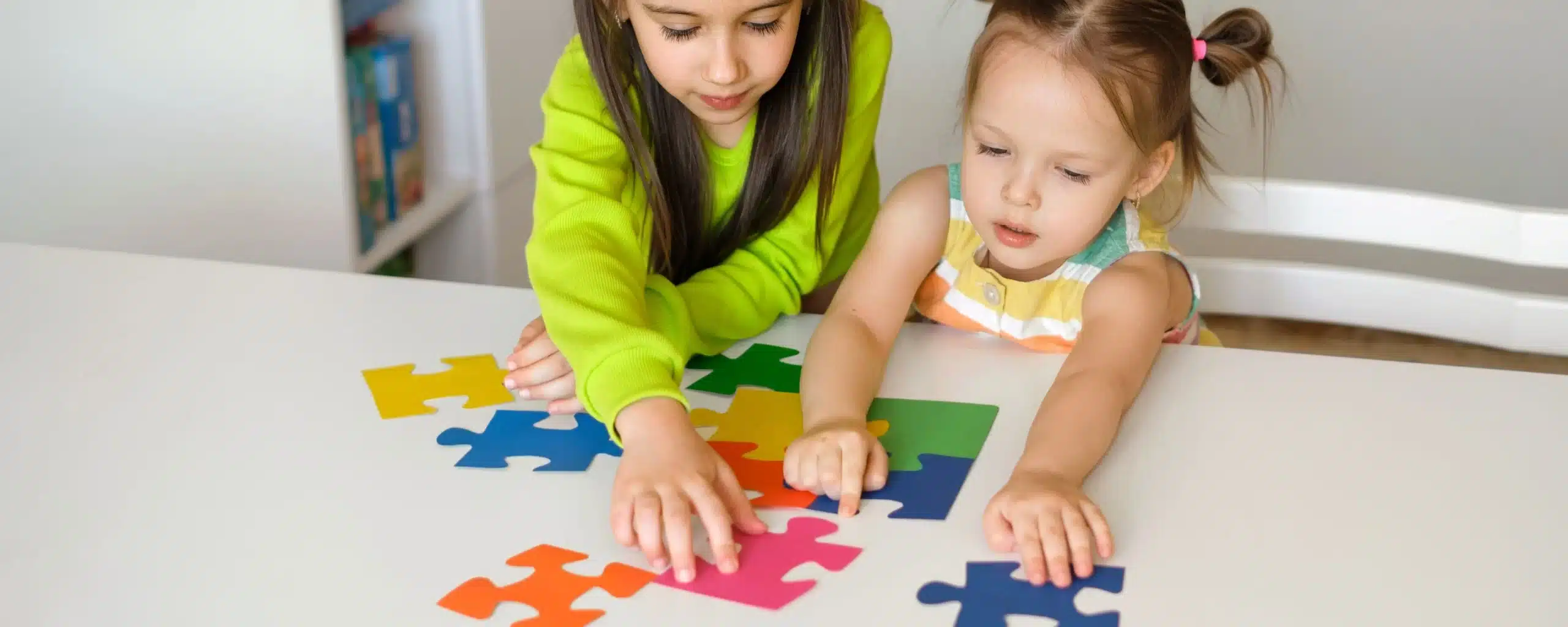
Puzzle Assembly – Puzzle activities help children match shapes and images while placing pieces in the correct position. This improves visual recognition, hand placement accuracy, and concentration while strengthening coordination between the eyes and hands.
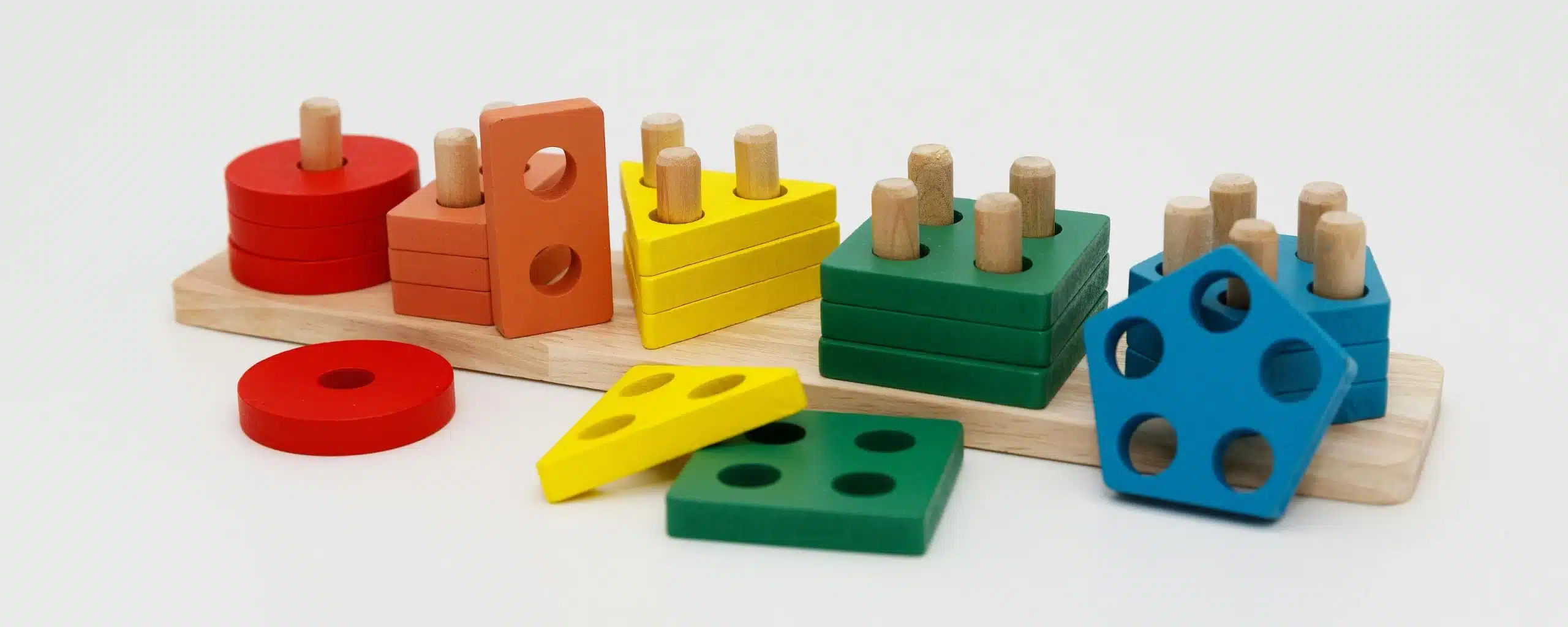
Peg Boards & Sorting Games – These activities require children to place small pegs or objects into specific holes or categories. They help improve finger control, precision, focus, and hand–eye coordination.
Ball Toss & Catch Games – Throwing and catching a ball helps children develop timing, tracking, and quick reaction skills. It also improves coordination between visual focus and physical movement.
Stacking Games (like Jenga) – Stacking blocks or removing pieces carefully requires steady hand control and planning. These games help children develop patience, balance, and precise hand movements.

Ring or Hoop Toss – Tossing rings or hoops onto a target helps children practice aim, timing, and spatial awareness. It also strengthens focus and coordination between visual judgment and hand movement.
Why These Activities Help
- These activities are good for strengthening the sensory movements
- Help in developing more focus and strong reflexes, like catching, responding, and aiming.
- More presided hand and lag movements during billiards and other similar games.
- Help in developing better visual tracking.
These kinds of games are widely used at home, in schools, and in therapy to build the foundations for skills like handwriting, sports performance, drawing, and everyday tasks that require coordinated movement.
Gross Motor & Balance:
Gross motor and balance activities help children develop strength, coordination, posture, and body awareness. These skills are essential for walking, running, climbing, and participating in physical activities safely and confidently. Incorporating fun games and toys into therapy makes developing these skills enjoyable and effective.

Balancing on the plank or swings : Activities like balancing on a plank or using swings help strengthen core muscles, improve balance, and develop better motor reflexes. These movements also support body control and stability.
Navigation on play structures : Climbing, crawling, or moving through play structures helps children develop coordination, body awareness, and controlled movements. These activities improve overall strength and help children move their bodies with greater confidence and precision.
How these games help:
- Gross motor and balancing games are fun and interesting ways to help your child develop better balance and walking movements of the body.
- These games help in building core strength, along with better coordination and stability in body movements.
These are simple games and therapy toys for child development that can be played at home, at play school, or at occupational therapy centres in the presence of supervision to prevent any mishap.
Cognitive & Social Skills
Cognitive and social skill activities help children develop problem-solving abilities, communication, and teamwork through play. Engaging in group and interactive games teaches essential social behaviours and strengthens thinking skills.
Group games: When children play together with blocks, puzzles, or construction toys, they learn to collaborate, share ideas, and solve problems collectively. Group play encourages negotiation, turn-taking, and understanding others’ perspectives, which are key social skills.

Outdoor Group Activities : Team games and outdoor play provide opportunities for children to develop social interaction skills such as empathy, cooperation, and active listening. Activities like relay races, group challenges, or team-building exercises also improve motor planning, coordination, and cognitive flexibility.
Social skills board and card games provide structured play that teaches manners, cooperation, and perspective-taking.
Charades or interactive social games are fun exercises that enhance communication, emotional recognition, and group participation.
Social Skills Board and Card Games : Structured games like board games or card games teach children essential life skills, including following rules, patience, and fair play. They also promote perspective-taking and cooperation, helping children navigate social situations effectively.
Why These Games Matter
- Puzzle and group games help in building social skills, cognitive skills, and problem-solving ability. Social skills like communication, cooperation, and sharing among each other are other important lessons a child learn through these fun games.
- These games provide them the ability to develop flexibility and physical and mental strength as well.
Play-based activities like these are widely used in schools, therapy settings, and home routines to boost both thinking skills and social-emotional development in children, making learning fun and interactive.
How to Use These Toys for OT Goals
Occupational therapists often integrate toys into structured activities that target specific goals:
Fine Motor Practice
Activities like threading beads while naming colours or shapes help improve hand coordination and cognitive recognition. Pegboards can also be used in timed challenges to build hand strength and endurance.
Visual-Motor Integration
Sorting or matching games can be combined with simple movement tasks, such as picking up and placing items in a sequence, to strengthen coordination between vision and hand movements.
Sensory Regulation
Fidget boxes or sensory rings can be used during transitions to help children stay calm, focused, and emotionally regulated.
Gross Motor Activities
Balance boards and beams can be included in indoor obstacle courses to make motor planning, balance, and body coordination more engaging and fun.
Therapists also adapt toys creatively, for example, pushing balance games into stepping activities or turning bead threading into storytelling games that also work language skills.
Occupational therapy in the presence of an expert and trained therapist has a visibly effective result in a short time. Thus, make sure to schedule an occupational therapy session for your child at a nearby, reliable and experienced healthcare facility.
Tips for Choosing the Right OT Toys
Before choosing the right set of toys, ensure what the child’s developmental needs and level. Sometimes a game can be too tough or too easy, according to the child’s cognitive age.
- Choose age-appropriate toys that match the child’s developmental level.
- Pick multi-purpose toys that support fine motor, sensory, and cognitive skills.
- Encourage skill-based play like sorting, stacking, squeezing, or building.
- Use simple household items such as buttons, containers, or magnets for fun activities.
- Support and praise children for their efforts to build confidence and motivation.
Conclusion
Occupational therapy becomes significantly more effective when it incorporates toys and play-based activities. Play provides children with a natural and engaging way to develop essential developmental skills. Through simple and enjoyable games, children can improve their fine motor abilities, cognitive development, coordination, and social interaction
In conclusion, children tend to learn faster when activities are fun, interactive, and easy to understand. Instead of relying on complicated exercises, simple play-based approaches can effectively support occupational therapy goals. These engaging games help strengthen fine motor skills, cognitive abilities, and important social skills such as sharing, communication, and cooperation, all within a comfortable home environment.
Frequently Asked Questions
What are occupational therapy toys for children?
Occupational therapy toys are toys that help children improve important skills such as hand strength, coordination, focus, balance, sensory processing, and problem-solving through play.
How do toys support occupational therapy goals?
Toys make therapy more engaging and natural for children. They help develop fine motor skills, gross motor skills, sensory regulation, hand-eye coordination, attention span, and social interaction in a fun way.
Which toys are best for fine motor skill development?
Toys like building blocks, peg boards, threading beads, puzzles, clay, and shape sorters are great for improving fine motor skills, finger strength, and hand control.
What toys help with sensory processing?
Sensory balls, fidget toys, kinetic sand, textured mats, play dough, weighted toys, and sensory bins can help children who need sensory input or support with sensory regulation.
What types of toys improve hand-eye coordination?
Stacking toys, ring toss games, ball games, puzzles, bead threading, and catching or throwing toys are very helpful for building hand-eye coordination.
Are gross motor toys important in occupational therapy?
Yes, gross motor toys are important because they help children develop balance, strength, posture, coordination, and body awareness. Toys like balance boards, tunnels, scooters, trampolines, and hop balls are good examples.
How do balance toys support children’s development?
Balance toys such as wobble boards, stepping stones, and balance beams help children improve core strength, stability, body control, and coordination.
Are occupational therapy toys suitable for all children?
Yes, many occupational therapy toys are beneficial for all children, not just those in therapy. They support healthy development through active, skill-based play.
Occupational therapy toys are toys that help children improve important skills such as hand strength, coordination, focus, balance, sensory processing, and problem-solving through play.
Toys make therapy more engaging and natural for children. They help develop fine motor skills, gross motor skills, sensory regulation, hand-eye coordination, attention span, and social interaction in a fun way.
Toys like building blocks, peg boards, threading beads, puzzles, clay, and shape sorters are great for improving fine motor skills, finger strength, and hand control.
Sensory balls, fidget toys, kinetic sand, textured mats, play dough, weighted toys, and sensory bins can help children who need sensory input or support with sensory regulation.
Stacking toys, ring toss games, ball games, puzzles, bead threading, and catching or throwing toys are very helpful for building hand-eye coordination.
Yes, gross motor toys are important because they help children develop balance, strength, posture, coordination, and body awareness. Toys like balance boards, tunnels, scooters, trampolines, and hop balls are good examples.
Balance toys such as wobble boards, stepping stones, and balance beams help children improve core strength, stability, body control, and coordination.
Yes, many occupational therapy toys are beneficial for all children, not just those in therapy. They support healthy development through active, skill-based play.

Related Posts
15 Occupational Therapy Activities for Kids and Adults
Occupational therapy is one of the most misunderstood therapies in India. Many parents hear the…
7 Types of Occupational Therapy and How They Help Different Patients
Most people hear ‘occupational therapy’ and picture someone teaching an elderly person to button their…


