

×

Book a Free Consultation

Supporting children & adults to reach their full potential. Get expert guidance today.

Skip to content
Google Review
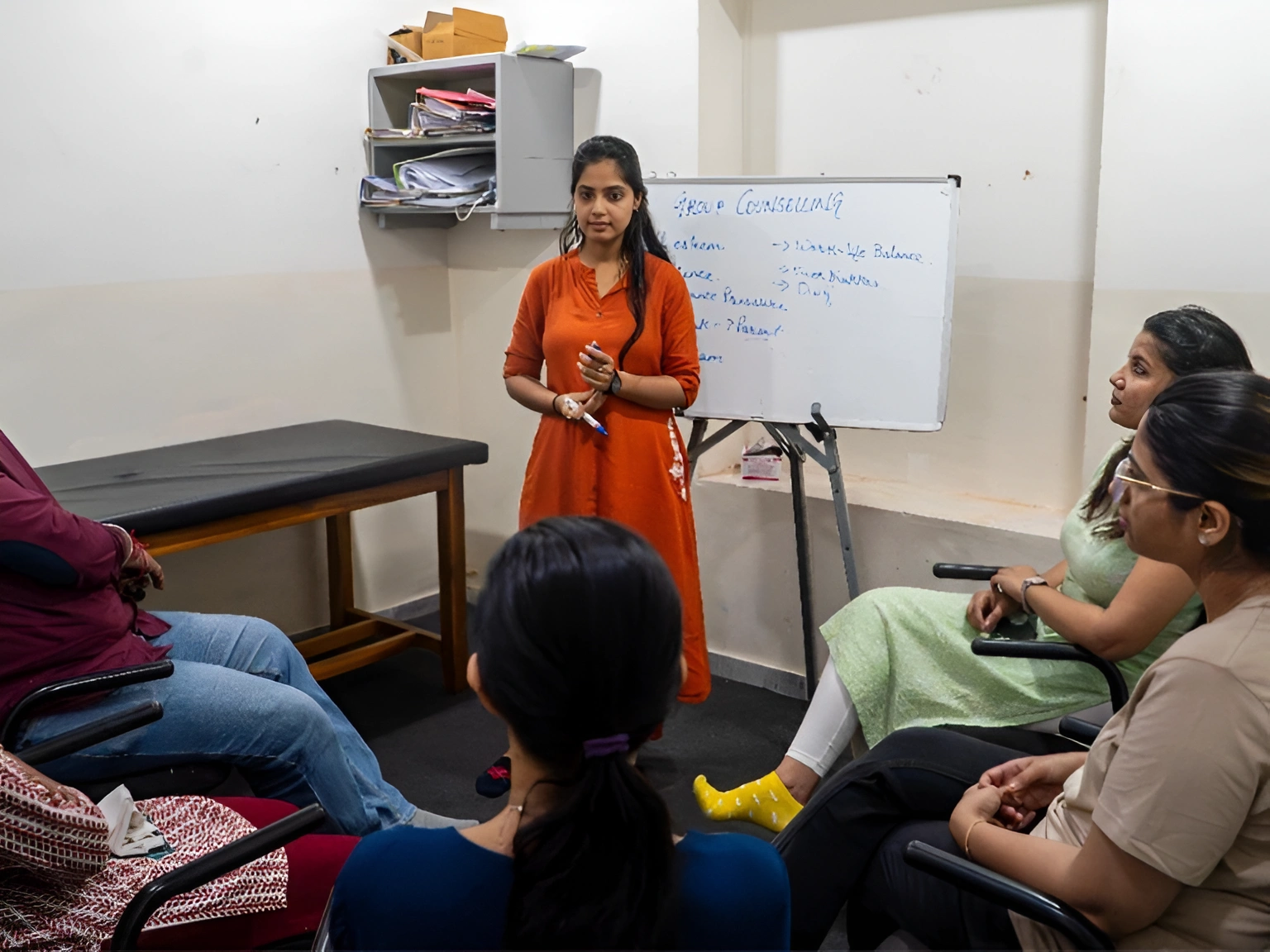
launch - NET (Natural Environment Training ) and School Readiness Program             Adult Group Counselling Sessions | Gujarat's First Sensory Camp
Child receiving speech therapy at RDCC Healthcare

RDCC Healthcare – Evidence-Based ABA Therapy

At RDCC Healthcare, we specialise in delivering evidence-based interventions through Applied Behaviour Analysis (ABA) therapy for children, adults. Our approach is grounded in scientific principles and tailored to meet the individual needs of each client.

Our team comprises certified and compassionate ABA Therapy Specialists, each committed to designing highly personalised treatment plans that drive meaningful and lasting behavioural change. We do not merely manage behaviours; we empower individuals to achieve sustained positive transformations in their lives.

A foundation of positive behaviour is essential for effective learning, meaningful communication and successful daily living. At RDCC Healthcare, we are dedicated to fostering these foundations, thereby enabling our clients to engage more fully with the world around them.

Who are you seeking therapy for?

Who are you seeking therapy for?

Child

Adult

What is

Applied Behaviour (ABA)

Applied Behaviour Analysis (ABA) Therapy is an evidence-based therapeutic approach used to systematically analyse and modify behaviours in individuals with Autism Spectrum Disorder (ASD) and other developmental disabilities. Behaviour Analysis is the scientific study of behaviour that forms the foundation of ABA Therapy. It focuses on understanding the relationship between Behaviour and Environmental Events.

ABA Therapy emphasises the use of empirically validated interventions to bring about positive changes in behaviour. These interventions are based on principles such as Reinforcement, Shaping, Prompting, and Fading. They are implemented systematically and consistently to promote skill acquisition and behaviour modification.

Goals of 

Applied Behaviour Analysis (ABA)

The goals of applied behaviour analysis (ABA) Therapy vary depending on the individual’s needs, strengths, and challenges.

However, the primary goal of ABA Therapy is to improve an individual’s quality of life by promoting positive behavioural changes and skill acquisition. Here are some of the goals of ABA Therapy:


Reduce Problem Behaviours - RDCC Healthcare

Reduce Problem Behaviours

The primary goal of ABA Therapy is to reduce problem behaviours that hinder daily functioning and social interactions, such as aggression, self-injury, tantrums, non-compliance, and repetitive behaviours.

Child Learning Adaptive Skills At RDCC Healthcare

Increase Adaptive Behaviours

ABA Therapy emphasises teaching and reinforcing adaptive behaviours to improve independence, socialisation, and overall functioning, including communication skills, social skills, self-help skills, and academic skills.

Therapy Is Improving The Child's Communication Skills - RDCC Healthcare

Improve Communication Skills

For those with limited communication abilities, ABA Therapy targets enhancing both expressive and receptive skills through methods like verbal language, non-verbal communication, picture exchange systems and etc.

Children Participating In Social Skills Session - RDCC Healthcare

Enhance Social Skills

ABA Therapy aims to develop essential social skills for meaningful Interactions and relationships, including sharing, cooperation, empathy, friendship-building, and social cues like facial expressions and body language.

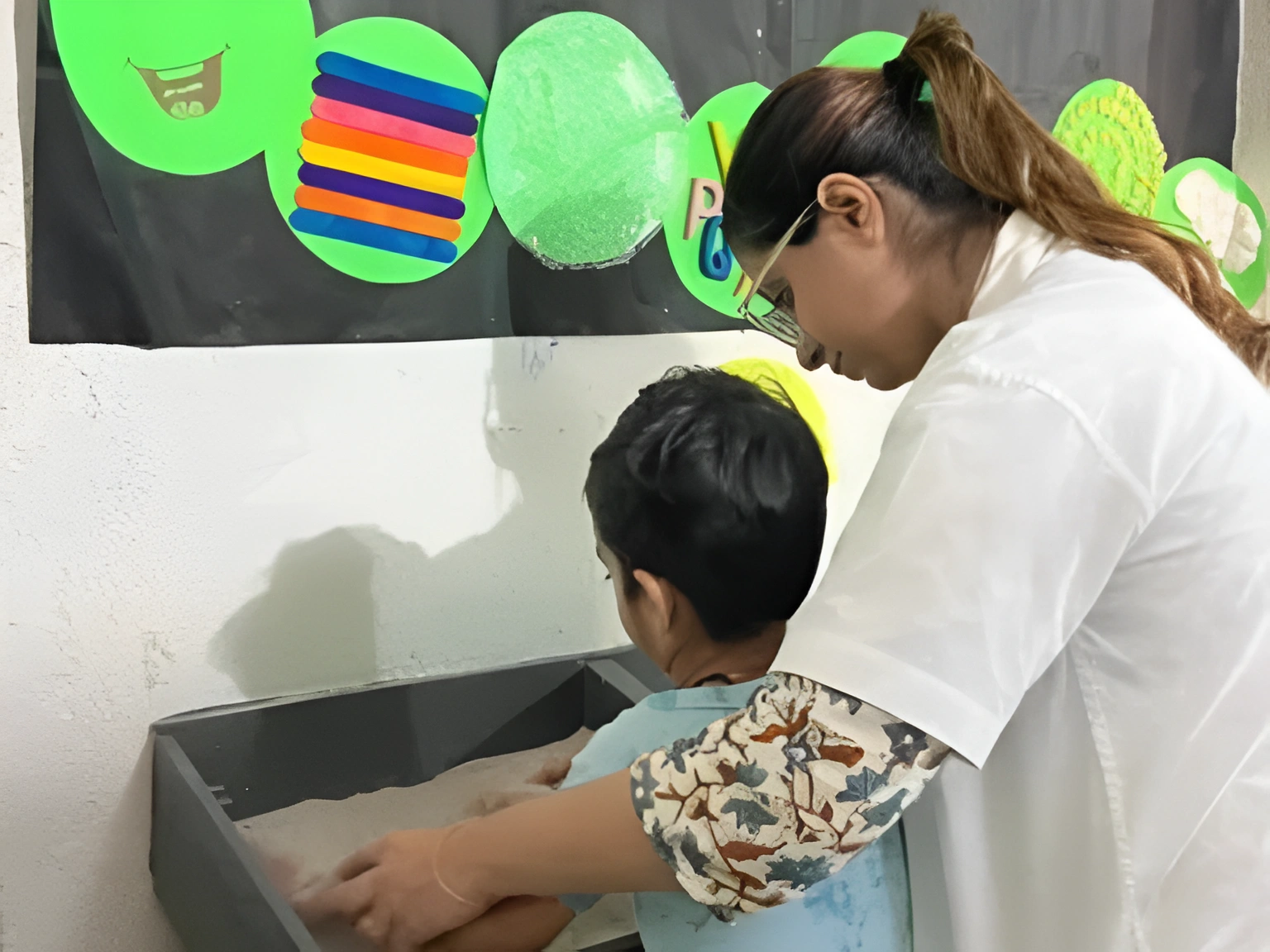
Therapist Supporting Child Independence

Promote Independence

ABA Therapy aims to boost independence in daily living by teaching self-care skills (e.g. grooming, feeding), household chores, organisation, time management, and community navigation.

Child Learning Adaptive Skills At RDCC Healthcare

Independence and Confidence

Fostering independence and self-confidence in communication, empowering individuals to advocate for themselves and navigate various social and educational environments successfully.

Approaches and Techniques for

Applied Behaviour (ABA)

ABA Therapy utilises a variety of techniques to achieve its Goals. Here are some of the Common Techniques involved:

  • Positive Reinforcement: ABA Therapy emphasises rewarding desired behaviours to increase their likelihood of recurrence. Rewards, such as tangible items (stickers, toys) or social praise(high five, “good job”), motivate individuals to repeat positive behaviours.
  • Negative Reinforcement: Negative Reinforcement involves removing something unpleasant to increase a desired behaviour. For Example, taking away a toy during a Tantrum but giving it back when the child asks nicely reinforces the desired behaviour.
  • Shaping: Shaping breaks down Complex Skills into Smaller Steps, Rewarding Progress towards Mastery. For Example, Teaching Shoe Tying involves rewarding at each Step, from holding the Laces to tying a Knot.
  • Prompting and Fading: Prompts are temporary cues (Physical, Verbal, Visual) to aid in Performing Desired behaviours. For example, A therapist might use hand-over-hand guidance for brushing teeth or a picture card for getting dressed. As the skill improves, prompts are gradually removed.
  • Discrete Trial Training (DTT): This structured approach presents a clear task, prompts the desired response, and provides reinforcement. Short, focused trials are repeated until mastery. Relate it to mini-practice sessions for specific skills.
  • Modelling: Therapists demonstrate desired behaviours for individuals to observe and imitate, aiding in skill development, especially for social and communication skills like eye contact and turn-taking.
  • Natural Environment Teaching: ABA Therapy integrates skill teaching in real-life environments to enhance generalisation, enabling individuals to apply learned behaviours across different situations. For instance, practising social skills during daycare playtime extends beyond therapy room settings.
  • Data Collection and Analysis: ABA Therapy utilises data collection to track progress on targeted behaviours, enabling therapists to measure intervention effectiveness and adjust programs accordingly. Monitoring results ensures the program is tailored to individual needs and goals.

Children and Families

We are here for your child and for you. There is a range
of clinical services, trainings and other resources
that are available to support you through this journey.

Children and Families

We are here for your child and for you. There is a range of clinical services, trainings and other resources that are available to support you through this journey.

Voice Therapy Centre In Bharuch
Play Therapy Centre In Bharuch
Group Therapy Centre In Bharuch
AVT Therapy Centre In Bharuch
Child Behavioural Therapy
Parental Counselling Centre In Bharuch
Psychological Testing And Assessment Centre In Bharuch
Oral Placement Therapy Centre In Bharuch
Remedial Education Centre In Bharuch
Swallowing Therapy
ABA Therapy
Benefits Of Group Therapy For Children
Benefits Of Play Therapy For Social Skills
Speech & Language
Voice Therapy Centre In BharuchPlay Therapy Centre In BharuchGroup Therapy Centre In BharuchAVT Therapy Centre In BharuchChild Behavioural TherapyParental Counselling Centre In BharuchPsychological Testing And Assessment Centre In BharuchOral Placement Therapy Centre In BharuchRemedial Education Centre In BharuchSwallowing TherapyABA TherapyBenefits Of Group Therapy For ChildrenBenefits Of Play Therapy For Social SkillsSpeech & Language

Benefits of

Applied Behaviour Analysis (ABA)

ABA Therapy utilises a variety of strategies to achieve its goals, but it’s important to remember these strategies are built upon a core foundation of principles. Here’s a breakdown of some key ABA Therapy strategies:

Core Behavioural Principles

Positive Reinforcement

Focus on motivation and strengthen desired behaviours through rewards and encouragement.

Negative Reinforcement

Focus on removing unpleasant aversive stimuli to increase a desired positive behaviour.

Punishment

Used sparingly and ethically, punishment procedures to decrease unwanted behaviours.

Skill Development Strategies

Skill Shaping

Breaking down complex skills into smaller steps for successful learning and reward at each step.

Prompting and Fading

Use strategic cues (Physical, Verbal, Visual) to guide an individual and gradually reduce as the skill is learned.

Modeling

We are demonstrating the desired behaviour for the individual to observe and imitate across domains.

Behaviour Management Strategies

Differential Reinforcement

Reinforcing desired behaviours while ignoring or providing less reinforcement for undesired behaviours.

Functional Analysis

Identifying the reasons behind a challenging behaviour to develop effective strategies to manage it.

Extinction Burst

The temporary increase in unwanted behaviour that can occur when extinction is introduced. Therapists are prepared and guide the individual through it.

Communication and Learning Strategies

Discrete Trial Training (DTT)

A structured approach using short, focused trials to teach specific skills.

Natural Environment Teaching

Embedding skill teaching in everyday situations to promote skill generalisation and maintenance.

Picture Exchange Communication System (PECS)

Use picture-based systems to help individuals who may have difficulty with spoken language.

Whether you’re seeking support for yourself or a loved one, our team of ABA Therapy Specialists in Vadodara is here to help. Contact us today to learn more about how we can assist you on your journey towards positive behaviour change and improved quality of life through ABA Therapy.

Frequently Asked Questions

ABA therapy is perfect for Autism people. It is also beneficial for the individual who is suffering from other developmental disabilities, behaviour challenges, and skill deficits.

Yes, we use a personalised ABA program for each individual. A certified therapist starts with a detailed assessment and then creates a customised treatment plan. We focus on the specific needs, strengths, and goals of each person.

At our Vadodara Centre for ABA therapy, we work with individuals of all ages. Whether you are a young child, adult or senior citizen, we can help you to make progress in your life.

The result of ABA therapy varies. Remember, it will take 3 to 6 months to give a meaningful improvement. The result depends on the individual and the severity of the disease.

Yes. Sometimes, we also involve parents in the therapy session for better outcomes. It helped to ensure better generalisation of the skills.

Frequently Asked Questions

ABA therapy is perfect for Autism people. It is also beneficial for the individual who is suffering from other developmental disabilities, behaviour challenges, and skill deficits.

Yes, we use a personalised ABA program for each individual. A certified therapist starts with a detailed assessment and then creates a customised treatment plan. We focus on the specific needs, strengths, and goals of each person.

At our Vadodara Centre for ABA therapy, we work with individuals of all ages. Whether you are a young child, adult or senior citizen, we can help you to make progress in your life.

The result of ABA therapy varies. Remember, it will take 3 to 6 months to give a meaningful improvement. The result depends on the individual and the severity of the disease.

Yes. Sometimes, we also involve parents in the therapy session for better outcomes. It helped to ensure better generalisation of the skills.
WhatsApp
Back To Top
WhatsApp chat